




Jim Norton T-Town Chevrolet

Blog / Tulsa Chevrolet Dealer

2027 Silverado 2500 HD for Tulsa Equipment Hauling

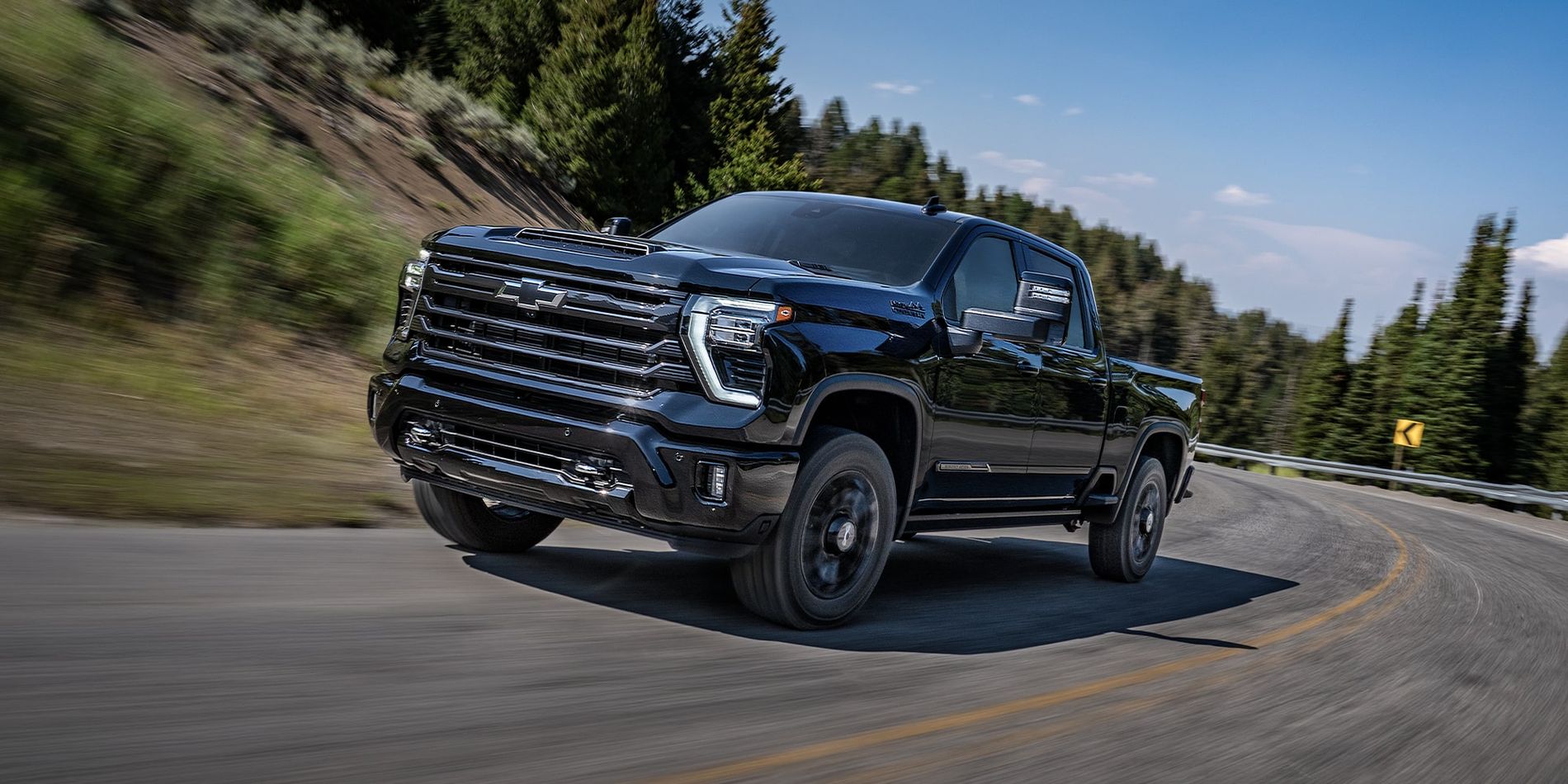
2027 Chevrolet Silverado 2500 HD driving on a mountain road

By Jim Norton T-Town Chevrolet · 4924 S Memorial Dr, Tulsa, OK · (918) 921-2100

Quick Answer

  • The yard is the starting point and the return destination.
  • Equipment delivery is only one part of a contractor’s day.
  • The final stop includes bringing the tools back to the business.
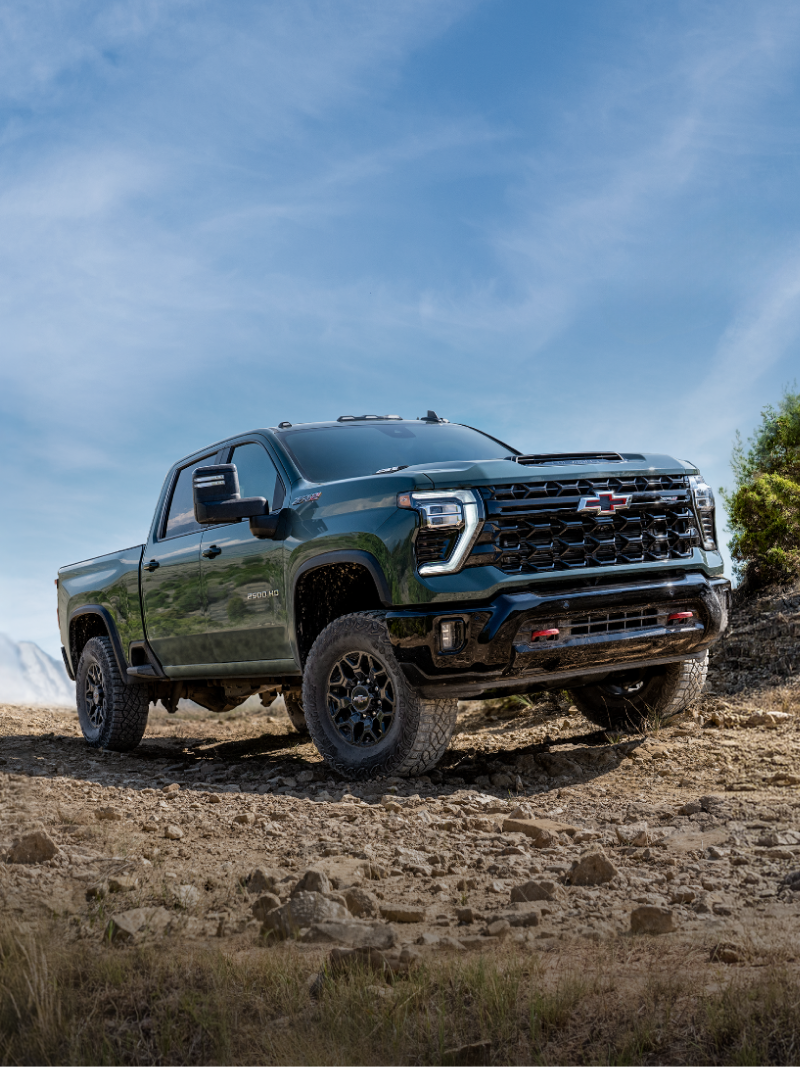
2027 Chevrolet Silverado 2500 HD parked on a rocky trail

For a Tulsa contractor, an equipment-hauling day begins before the first delivery. The Silverado 2500 HD is waiting at the yard while the work crew gets ready to leave. Tools have to go to the same place as the equipment, and the afternoon will bring everything back. That round trip is the subject here: an ordinary business day built around transport, work at a property and the return to base.

Morning at the Yard

The first part of the morning belongs to preparation. A trailer that was parked after yesterday’s job is needed again, while hand tools and the material for today’s assignment have to leave with it. The destination may be familiar, but the load belongs to the day’s work. For the technical limits, the towing guide is the reference.

A Broken Arrow assignment puts the yard and the job at opposite ends of the morning’s drive. The pickup is the link between them. There can be another stop before arrival if a supplier has material waiting, or a return to the business if the assignment changes. The value of the truck in that routine is its continued availability between the larger tasks.

Delivering Equipment Before the Job Begins

Arrival changes the pace. Highway travel gives way to the entrance of the property, then to the place where the equipment will be unloaded. The crew’s attention moves from reaching the address to getting the job underway. Work can begin only after the delivery portion is finished, so transport is part of the assignment rather than an errand outside it.

The pickup may remain at the property while the trailer is being emptied. At another appointment it may leave again for supplies. A vehicle purchase for this kind of business is tied to that changing role throughout the day. The physical layout guide handles the measurements.
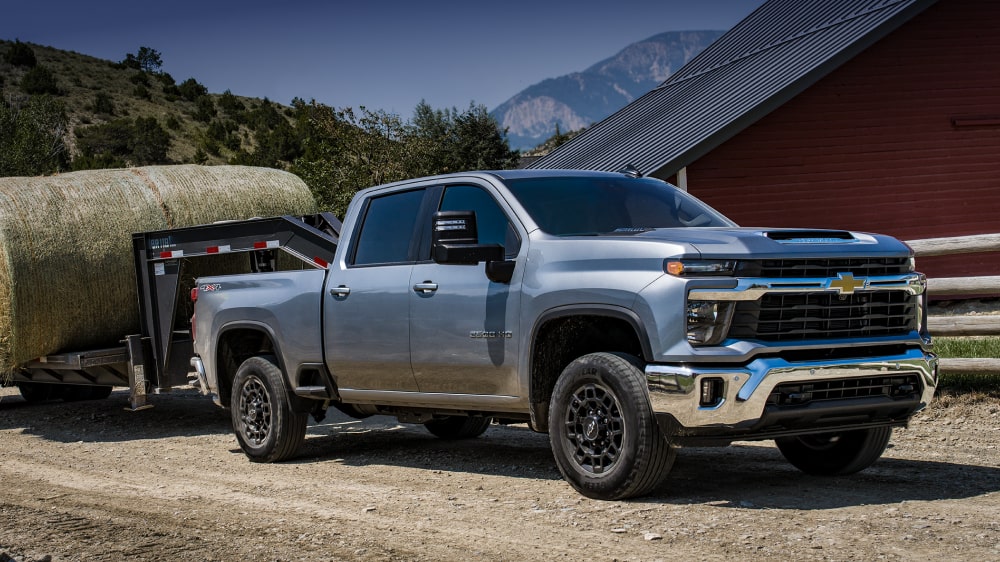
2027 Chevrolet Silverado 2500 HD LT towing a loaded hay trailer near a barn

A Supply Run in the Middle of the Day

Once work is underway, the truck’s next trip may be much shorter. A missing item, another tool or material for the next stage can send it back onto the road. For a business moving between Tulsa and Sand Springs, that is another crossing of the metro inside an already full day. The people remaining at the property continue working while the pickup supports the next part of the assignment.

This is also when the distinction between delivering equipment and running a business becomes visible. The large machine may already be at the job, but the pickup still has a job of its own. The daily-use overview follows that broader role. The model catalog contains the factory equipment choices for the purchase.

The Next Property Is Not the End of the Trip

An afternoon assignment farther south can take the working day along US-75 toward Glenpool or Okmulgee. The truck is moving between places where the business operates, with another period of unloading and work ahead. The assignment has changed location, but the day still begins and ends at the yard. The powertrain reference supplies the engineering details for that transport.

A route back through the metro brings ordinary traffic into the equipment day. Broken Arrow Expressway travel and stops around town take time alongside the hours spent at the property. The pickup can carry the business through all of those transitions without every stop being a new hauling assignment. The decision to buy concerns that complete routine.
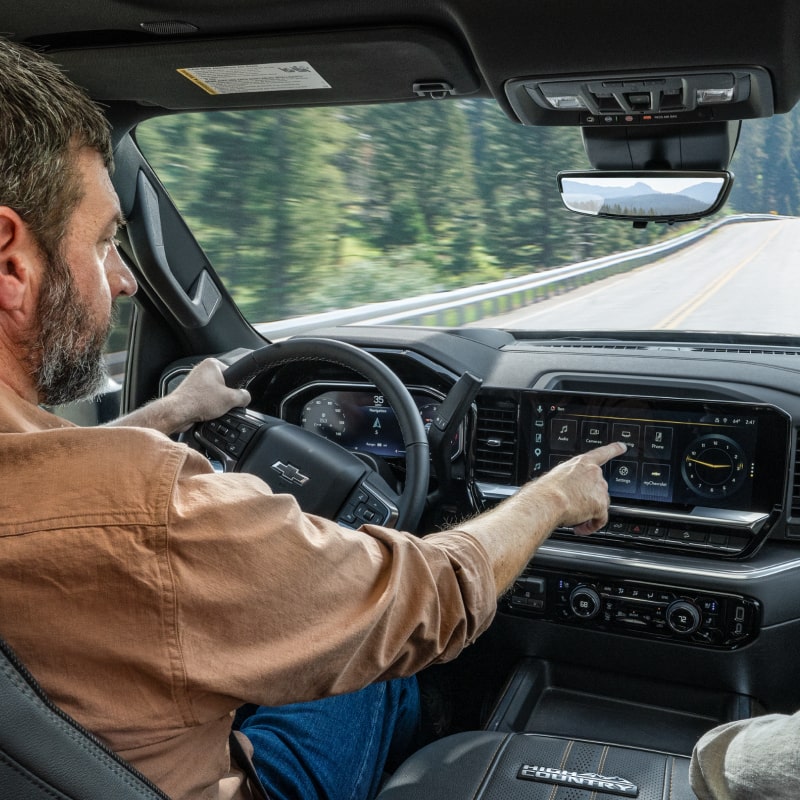
Driver using the center touchscreen in a 2027 Chevrolet Silverado HD

Bringing the Business Back to Base

At the end of the assignment, equipment and tools still have to come home. Unloading at the yard is the final part of the transport job. The trailer returns to its parking place, tools leave the truck and the business can prepare for another morning. A delivery is finished at the customer’s property; the contractor’s working day finishes later.

The return also creates a point at which the owner can separate tomorrow’s assignment from work that belongs in the workshop. The maintenance guide covers that ownership subject. The next departure brings the pickup back into the business routine, from the yard to another assignment and home again.

The Purchase Behind the Next Workday

Our Certified Service department and parts department support the truck after purchase. Our dealership is on South Memorial Drive, with online service scheduling for local owners. Trade appraisals and financing applications are available when the next equipment-hauling truck is part of the business plan.

A business replacing a truck is buying another part of this daily routine. The next pickup will be there for the departure, the in-between trips and the return to the yard. The buying questions address the transaction. The Silverado research hub brings the separate references together for the owner who is ready to look further.
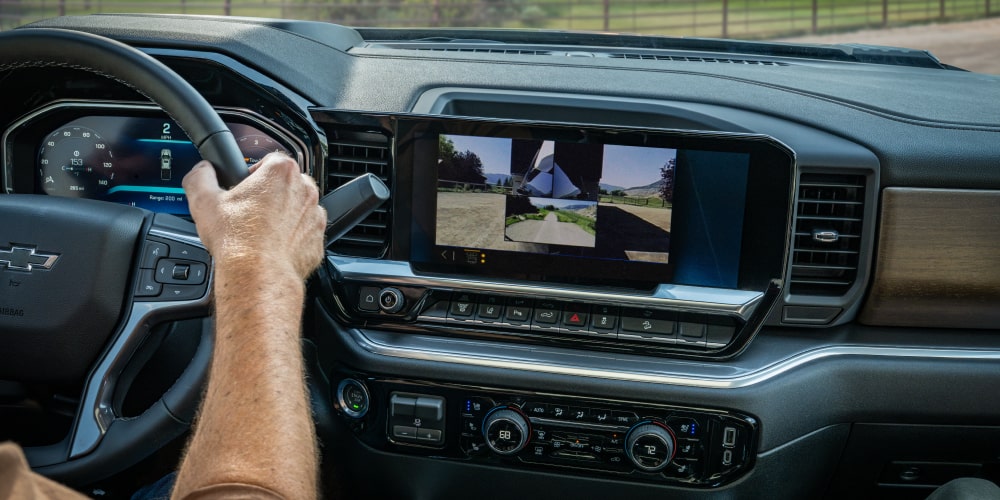
Trailer camera view on the center display of a 2027 Chevrolet Silverado HD

Equipment-Hauling Workday Questions

Why does returning to the yard matter in an equipment-hauling day?

Delivery ends at the property, while the business still needs to retrieve its equipment and tools. The return to base completes the round trip and leaves the truck available for the following assignment. That final leg belongs to the workday just as much as the morning departure.

Where do the equipment-hauling load limits belong?

The trailering reference contains the rated combinations. This account follows the movement between the yard and the properties where the contractor works.

What happens between an equipment delivery and the return trip?

The pickup can be needed for another supply run while the main equipment remains at the job. Those shorter trips are part of the business routine between the two larger transport legs.

Where are passenger-space measurements listed?

The cab-and-box measurements are held in the dimensions reference. The trip begins with people leaving the yard and ends when they return from the assignment.

Where can a Tulsa business start a Silverado 2500 HD purchase?

The truck sales team handles purchases at the showroom on South Memorial Drive. Our sales team can discuss the truck, trade and financing requirements together. Our truck team can handle that selection with the trade appraisal and financing conversation at the South Memorial Drive dealership. Online Silverado inventory and test-drive requests are available, and the dealership can be reached at (918) 921-2100 for a vehicle-specific conversation.

Shop your equipment-hauling truck. View Silverado 2500 HD inventory or schedule a test drive at our Tulsa showroom.
Posted in:

Related Posts

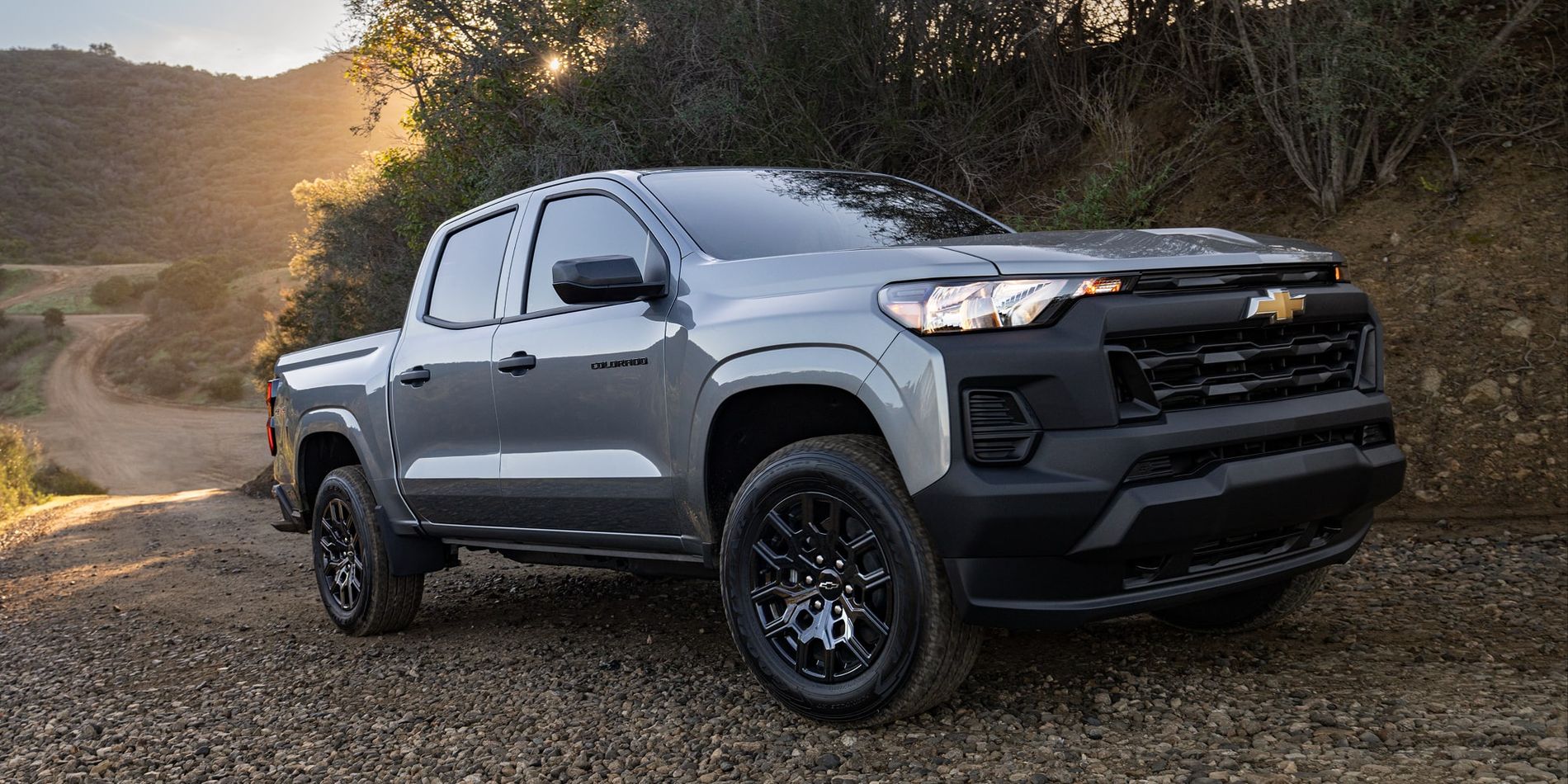
2027 Chevrolet Colorado parked on gravel

2027 Chevy Colorado Rear Seat Space in Tulsa, OK

T Town Chevy · Tulsa Passenger room and an open cargo bed for a shared household truck. View Colorado Inventory Get Pre-Approved Value Your Trade The 2027 Chevy Colorado rear seat gives Tulsa households a question worth considering apart from a model badge: who rides along on an ordinary day? A passenger’s place in the truck matters on a quick errand as well as a longer outing. For a Broken Arrow family sharing one pickup, the useful story begins with the rear bench, not a list of trail upgrades. At a Glance Rear doors let back-row passengers enter independently of the front seats. The rear bench and front bucket seats divide the cabin into different passenger spaces. Household bags and outdoor equipment call for different places in a pickup. The Colorado Rear Bench on a Tulsa Weekday The Crew Cab accommodates five occupants. Published rear space is 34.70 inches of legroom, 38.28 inches of headroom, 56.13 inches of shoulder room and 53.09 inches of hip room. For cabin size, the complete dimension tables supply the rest of the truck’s measurements. Comfort also depends on the rider and the position of the seat ahead. Consider an ordinary household trip with adults in front and another adult riding behind them. The rear passenger’s experience includes the front seat’s position, their own height and the length of the trip. A measurement has a fixed value, but those everyday conditions vary. A short run across town and an afternoon drive make different demands on the same place in the vehicle. The rear doors matter at the beginning and end of that trip. Someone getting out at a workplace or joining the return trip has their own doorway. The front occupants do not have to leave their places just to let that rider reach the bench. That is a practical part of the cab arrangement even before the truck reaches the Broken Arrow Expressway. A Shared Pickup Has More Than One Routine A household truck may carry a driver alone on Monday, coworkers at lunch and relatives on a weekend visit. These are examples of different passenger patterns, rather than a claim that one layout suits every family. A rear bench used occasionally has a different role from the same bench occupied for every commute. The Colorado’s interior remains the place where those routines meet. Passenger room is also separate from personal items. A jacket, a work bag and a shopping bag can follow the people who bring them; outdoor equipment has a different role in the day. The distinction is familiar in a pickup household: the trip involves both people and things, but the experience in back depends on how the passenger area is being used. A nominal seating count alone does not describe that entire trip. When the Passenger Trip Becomes an Errand Imagine a Sand Springs outing that includes a stop for garden supplies before the drive home. Soil and bulky outdoor purchases have a place in the open cargo area outside the enclosed passenger compartment. That separation is the appeal of a pickup for this example. The people returning from the outing are still using the same rear doorway and bench that served the morning errand. The bed has its own geometry, which matters to the cargo rather than the rider’s knees or head. Box measurements answer the size question; loading information addresses the weight side. Keeping those questions apart makes the back-seat discussion more useful: passenger dimensions describe where a person sits, rather than promising room for every object carried on the outing. Cabin Choices Without Changing the Passenger Story Convenience equipment can make the truck feel different during the daily routine. A household may place more value on an easier start to the morning, while another buyer cares about the front passenger’s appointments. The Colorado equipment descriptions cover the model choices. The rear-seat question remains the frequency and kind of passenger travel, independent of the attraction of a particular exterior finish. A trail-oriented pickup can still make the weekday trip on US-169. Its chassis has a purpose beyond that commute, explained with off-road hardware and visibility. That does not turn a suspension feature into extra personal space. For a mixed-use household, the reason to own trail equipment and the reason to use the back row can exist together without being the same reason. Planning the Whole Tulsa Household Trip An outing toward Keystone Lake can add a trailer to an otherwise familiar passenger trip. The towing setup then has a separate set of requirements. The trailer and payload tables keep those limits together. The story for someone in back is still an actual ride, with the rest of the outing adding equipment rather than altering the passenger measurements. A Glenpool commute along US-75 or a visit from Okmulgee may be part of the household’s usual week. The distance and purpose belong to the family’s routine, rather than a promise about universal comfort. For Bixby buyers sharing a Colorado, everyday passenger use can therefore be a useful starting point before choosing appearance or trail options. The shopping overview connects those priorities with the model lineup. Colorado Ownership After the Weekend T Town Chevy handles trade valuations, financing applications and test-drive appointments at 4924 S Memorial Dr. The payment calculator provides illustrations using the entered loan inputs. Lender approval and actual terms depend on the application rather than one advertised payment for every Colorado. The Colorado service schedule keeps the upkeep with the people who maintain the truck. The household’s passenger routine continues between those visits, whether the rear bench is a daily seat or a place used mainly when relatives come along. The Buyers Guide carries the price basis, and local purchase answers address the dealership side of choosing the pickup. Questions About the Colorado Rear Seat What does a rear-seat dimension say about comfort? It describes a measured part of the cabin. A rider’s height, posture and the front occupant’s position also affect the experience, so the interior measurements are a starting point rather than a personal-fit guarantee. Do trail packages answer the passenger-space question? They address another part of the truck. Factory equipment choices concern the model’s appointments and chassis, while a regular back-row rider has a separate reason to consider the cabin during a test drive. Can a household pickup carry dirty equipment away from passengers? The open box provides an area outside the enclosed interior. Garden supplies are one example of cargo suited to that separation; bed dimensions and load limits determine the space and weight questions. Where can a Tulsa household begin shopping? T Town Chevy has Colorado inventory and test-drive appointments on South Memorial Drive. A household can choose a model for its weekly routine, with buying and ownership questions answered through the same dealership. Jim Norton T-Town Chevrolet • 4924 S Memorial Dr, Tulsa, OK 74145 • 918-921-2100. See Colorado inventory and schedule your test drive. Next Step See the Colorado in person Shop Colorado trucks, value your trade and book your test drive at T Town Chevy. Browse Colorado Inventory Get Pre-Approved Value Your Trade

Which Silverado 1500 Tows Your Tulsa Work Trailer

Quick answer Most contractors buy a Crew Cab, so start there. In Crew Cab form the 3.0L Duramax Turbo-Diesel is rated for conventional trailering up to 13,200 lbs (Short Bed 2WD). The 6.2L V8 matches it at 13,200 lbs as a Crew Cab 4x4. The often-quoted 13,300-lb lineup maximum belongs to a Duramax Double Cab Standard Bed 2WD — a lighter, lower-volume truck than most people order. Worth knowing before you shop on that number. The 5.3L EcoTec3 V8 tops out at 11,400 lbs and the 2.7L TurboMax at 9,500 lbs, each on its own lightest configuration. Crew Cab ratings run lower, so confirm the figure for the truck you are actually buying. Max available payload is 2,260 lbs, and your trailer's tongue weight comes out of that number before any tools or passengers do. Every top rating needs the available Max Trailering Package, and the 13,200 and 13,300-lb figures also need 20-inch wheels. Silverado 1500 pricing starts at $36,900 before destination. If you are pulling a loaded work trailer around Tulsa and you want a Crew Cab, the 3.0L Duramax Turbo-Diesel is rated for conventional trailering up to 13,200 lbs and returns 28 MPG on the highway. The 5.3L EcoTec3 V8 is the engine that fits the widest range of jobs and costs less to buy, topping out at 11,400 lbs. Both need the available Max Trailering Package to reach those figures. That is the part most towing guides get to and then stop. The half they skip is payload, and it is the number that quietly sends contractors back a year later wishing they had spent twenty more minutes on the spec sheet. Here is how we actually walk through it on the lot at Jim Norton T-Town Chevrolet. If you want the whole library in one place first, our Chevrolet Silverado 1500 research hub collects every page we have on this truck. Start with payload, not the tow rating A conventional bumper-pull trailer puts roughly 10 to 15 percent of its loaded weight straight down on the hitch. That is tongue weight, and it does not count against your tow rating. It comes out of your payload, the same allowance carrying you, your crew, the toolboxes and whatever is in the bed. Run that percentage against your own trailer and the point lands quickly. Silverado 1500 max available conventional payload is 2,260 lbs, measured on a Regular Cab Long Bed 2WD with the TurboMax engine. Tongue weight comes off that allowance first, and everything else comes off what is left. A truck sitting comfortably inside its tow rating can still be working hard on payload, and Chevrolet says as much in its trailering guidance: the weight of passengers, cargo and accessories reduces what you can tow. The fix usually costs nothing. Order the cab and bed that match the work instead of defaulting to the biggest crew cab on the lot, and read the payload sticker in the door jamb of the truck you are actually buying, because that figure is specific to how it was built. Our 2026 Silverado 1500 overview lays out how the trims, cabs and three bed lengths combine, and the Silverado 1500 FAQ answers the towing and payload questions we field most at the desk. The four engines, sorted by what you are pulling Each engine owns a clear lane. Every figure below is a conventional-trailering maximum for a properly equipped truck, with the achieving configuration named once beside it, and all four need the available Max Trailering Package to get there. The 13,200 and 13,300-lb ratings also need 20-inch wheels, which is far cheaper to order than to add later. Read these as ceilings: a Crew Cab of the same truck is rated lower, and the window sticker on the one you buy is the number that counts. 2.7L TurboMax, 310 hp and 430 lb.-ft., conventional towing up to 9,500 lbs as a Regular Cab Long Bed 2WD. Standard on WT, Custom, Custom Trail Boss, LT, RST and LT Trail Boss, it carries Chevrolet's best-in-class standard torque figure and is the most accessible way into the lineup. Strong for skid-steer trailers, dump trailers and enclosed job boxes in the 6,000 to 8,000-lb range. 5.3L EcoTec3 V8, 355 hp and 383 lb.-ft., conventional towing up to 11,400 lbs as a Double Cab Standard Bed 2WD. Standard on LTZ and High Country and available on WT, Custom Trail Boss, LT, RST and LT Trail Boss, this is the all-rounder we hand the keys to most often for mixed-duty work. Worth knowing: a lot of sites publish 11,300 for this engine. Chevrolet's own 2026 trailering chart says 11,400. 6.2L EcoTec3 V8, 420 hp and 460 lb.-ft., conventional towing up to 13,200 lbs as a Crew Cab 4x4. The most powerful gas engine, and the pick when you want maximum grunt without diesel. Available on LT Trail Boss and ZR2, and on RST, LTZ and High Country in four-wheel drive. 3.0L Duramax Turbo-Diesel, 305 hp and 495 lb.-ft., conventional towing up to 13,300 lbs as a Double Cab Standard Bed 2WD. Available on Custom Trail Boss, LT, RST, LT Trail Boss, LTZ and High Country and standard on ZR2, it is the only diesel in the half-ton class, it reaches the lineup's outright conventional maximum, and EPA rates it at 23 city, 28 highway and 25 combined in 2WD form. Ratings by configuration are at fueleconomy.gov. What towing here actually asks of a truck Green Country has no mountain passes, and people new to towing read that as easy duty. It is not, and the reason is heat. We are in the stretch of the year where afternoons sit at or above 100 degrees, and a loaded trailer on a 100-degree afternoon is the hardest thing most work trucks do all year. Transmission and coolant temperatures climb, tire pressures rise on hot asphalt, and stop-and-go traffic gives none of the airflow highway running does. So the hardware matters more than the horsepower here. The integrated trailer brake controller is built into the dash rather than bolted under it, so trailer braking is tuned with the truck instead of added to it. Tow/Haul mode shifts to keep the transmission out of the temperature range that shortens its life. And the camera system available on LT and above, up to eight cameras and fourteen views, turns hitching a tall equipment trailer alone into a two-minute job. The routes back that up. The Broken Arrow Expressway at 4 p.m. with a loaded tandem behind you is a brake-and-cooling test, not a power test. The grade on US-75 south toward Glenpool is short but real, and it is the first place a mismatched truck and trailer tells on itself. Hauling west through Sand Springs, out to Catoosa, or up into the Osage County lease roads adds surface changes that make trailer sway control worth having. Heat is also why we push the service schedule on trucks that tow, because fluids and filters age faster under load in this climate. The full interval list and warranty terms are on our Silverado 1500 maintenance guide, and you can schedule service with our Chevrolet-certified technicians whenever you are due. Ready to put numbers to it? See every new Silverado 1500 in stock and we will pull the payload sticker on any truck on the lot before you commit to it. The jobsite details that pay off after you park Towing is the headline, but a work truck earns the rest of its money standing still. On every Silverado 1500, the Durabed carries twelve standard tie-downs rated at 500 lbs per corner and a wheel-well width of 50.6 inches, so a sheet of plywood lies flat. Bed volume runs 62.9 cubic feet on the short bed, 71.7 on the standard bed, and up to 89.1 cubic feet with the eight-foot long bed, which Chevrolet markets as best-in-class standard cargo volume. The one option worth a specific look is the Multi-Flex Tailgate, standard on ZR2 and available on the upper trims. It folds into six configurations, including an inner panel that becomes a standing-height work surface and a step that makes bed access safe in work boots. If you cut or lay out material at the truck, it is the closest thing the lineup has to a free workbench. Our Multi-Flex Tailgate guide walks through all six positions and which trims carry it. So which one should you order? For most local contractors it is a 5.3L V8 on an LT or RST. Match the truck to the trailer and the miles, and the rest of the build follows: If your conventional trailer runs under 9,500 lbs and you want the strongest value, a WT or Custom with the 2.7L TurboMax does the job on 430 lb.-ft. of torque, starting at $36,900. If you pull mixed loads and want one truck that covers everything, the 5.3L V8 on an LT or RST is the pick we make most often, with the 13.4-inch screen standard on LT and above and the camera package available on top. If you tow heavy or you live on the highway, order the Duramax. It carries 495 lb.-ft. of torque and Chevrolet rates it up to 28 MPG highway, which is real money at contractor mileage. If you want maximum gas power or a truck that works all week and plays on weekends, the 6.2L V8, or a Trail Boss with its two-inch factory lift and Z71 package for lease roads and unimproved sites. If you also want the highway miles to be easy, High Country adds available Super Cruise hands-free driving that works while towing. Cross-shopping first is smart, and we would rather you do it with real numbers, so we put the two best-selling half-tons side by side on our 2026 Silverado 1500 vs Ford F-150 comparison. If you run a fleet on a replacement cycle, our 2027 Silverado 1500 preview covers the redesign, the new engines and when it lands. Frequently asked questions How much can a 2026 Silverado 1500 tow? In Crew Cab form, which is what most buyers order, the 3.0L Duramax Turbo-Diesel is rated up to 13,200 lbs of conventional trailering as a Short Bed 2WD. The 6.2L V8 reaches the same 13,200 lbs as a Crew Cab 4x4. The often-quoted 13,300-lb lineup maximum is a Duramax Double Cab Standard Bed 2WD, a lighter truck than most people buy. The 5.3L V8 tops out at 11,400 lbs and the 2.7L TurboMax at 9,500 lbs, each on its own lightest configuration. Every top figure needs the Max Trailering Package, and the 13,200 and 13,300-lb ratings also need 20-inch wheels. How much payload does a Silverado 1500 have? Max available payload is 2,260 lbs, on a Regular Cab Long Bed 2WD with the TurboMax engine. Conventional trailer tongue weight, passengers and cargo all come out of that figure, so check the payload sticker in the door jamb of the specific truck you are buying. Which Silverado engine is best for towing a work trailer? For most contractors, the 5.3L EcoTec3 V8 at up to 11,400 lbs conventional as a Double Cab Standard Bed 2WD. Choose the 3.0L Duramax if your trailer runs near the maximum or you cover long highway miles, and the 2.7L TurboMax if your trailer stays under 9,500 lbs. How often does a hard-working Silverado 1500 need servicing? The truck schedules oil changes through the GM Oil Life System rather than a fixed odometer figure, so a truck working hard in this climate calls for service sooner than one that never tows. Warranty runs 3 years/36,000 miles basic and 5 years/60,000 miles powertrain. The full interval list is on our Silverado 1500 maintenance guide. Is a half-ton enough, or do I need a heavy duty? If your loaded trailer stays inside the conventional rating you order to, a Silverado 1500 handles it and gives you a far better daily-driving truck. When your work regularly runs above 13,300 lbs or moves to a gooseneck, that is where a Silverado HD is the better fit, and we stock those too. Come price one out on Memorial Drive Bring us your trailer weight and your typical load. We will match it to a cab, bed and engine, pull the payload sticker on the actual truck, and make sure the Max Trailering Package is on the build sheet before you sign anything. We are at 4924 S Memorial Dr, an easy run in from Broken Arrow or up US-75. Browse the new Silverado 1500 inventory, schedule a test drive with a trailer conversation attached, or call 918-921-4885. To make the visit quick, value your trade and get pre-approved first so the number we talk about is a real one. Our contact page reaches the team directly if you would rather start with a question. Starting MSRP excludes destination freight charge, tax, title, license, dealer fees and optional equipment. Trailering and payload figures are maximums for a properly equipped truck in the configuration noted; the weight of passengers, cargo and accessories reduces what you can tow. All ratings are conventional trailering. Confirm current pricing, warranty terms and ratings with our team.

Buying Your First Work Truck in Tulsa

Quick answer If your trailer stays under 7,700 lbs properly equipped, a Colorado does the work and costs less to buy, park and run than a half-ton. Every Colorado runs the same 2.7L TurboMax turbo four, 310 hp and 430 lb-ft, so you are choosing hardware, not power. Pricing starts at $32,400 before destination, and every trim gets the 11.3-inch screen with Google built-in. Warranty is 3 years/36,000 miles basic and 5 years/60,000 miles powertrain, with 5 years/60,000 miles of roadside assistance. All five trims seat five, so the truck still works on a Sunday. If this is your first truck and your trailer stays under 7,700 lbs properly equipped, buy a Colorado rather than a half-ton. It does the same work for most trades, costs less to get into at $32,400 before destination, and it fits easily in the places a full-size truck has to be planned around. Most first-truck buyers start out looking at half-tons, because that is what the spec sheets put in front of you. Both are good trucks and we sell plenty of each; the only question worth answering is which one matches the trailer you actually pull. Here is how we work through it across the desk. Our Chevrolet Colorado research hub has every page we have written on the truck. Start with the trailer, not the truck Write down what you actually pull, loaded, on your heaviest day. That single number decides almost everything else. Properly equipped, the WT, LT, Trail Boss and Z71 are all rated to tow up to 7,700 lbs, which covers a single-axle dump trailer, a skid-steer on a light tandem, a mower trailer or an enclosed job box for most trades. If your honest answer is comfortably under that, the Colorado is the right size for the job. If it is above it, a Silverado is the better fit and we will say so, and the Silverado 1500 research hub is where that conversation starts. Getting this right at the beginning is the whole game, and it is much cheaper than discovering it a year in. The full capability breakdown is on our Colorado engine and capabilities page. One engine, so the trims are about hardware Every 2026 Colorado, from the base WT to the ZR2 Bison, uses the same 2.7L TurboMax turbocharged four making 310 hp and 430 lb-ft of torque. There is no engine upgrade to save for and no performance penalty for buying the cheap one. What changes as you go up is drivetrain and suspension. WT and LT are rear-wheel drive with four-wheel drive optional, and that system is single-speed. Trail Boss, Z71 and ZR2 come with four-wheel drive standard and a two-speed transfer case that adds low range. If your work stays on pavement and gravel, the single-speed system suits it. If you are on unimproved ground, pasture roads or a boat ramp, low range is what you want. The Colorado FAQ covers the configuration questions we field most. What a first truck actually does around here The reason a mid-size makes sense for a first truck in this market is that most of the week is not towing. It is a run out to a supply house on Admiral Boulevard, a job the far side of Sperry and a second one back through Sperry the same afternoon, a delivery out toward Inola or Chelsea, and then parking somewhere that was laid out before crew-cab half-tons existed. A Colorado handles all of that easily, and it still seats five, so the same truck takes the family out on Saturday. That dual-use case is the single best argument for a mid-size as a first truck, and it is the thing spec comparisons never capture. The one thing to plan for is upkeep. A truck that works gets dirty inside and out, and filters load up faster than they do on a commuter. The Colorado schedules oil by the GM Oil Life System rather than a fixed odometer number, so it tells you when it is genuinely due. The intervals and warranty detail are on our Colorado maintenance and ownership guide, and you can schedule service with our Chevrolet-certified technicians. See the Colorados we have on the ground and we will match one to the trailer you described. So which Colorado should a first-time buyer get? For most people it is an LT. Route it off the work: If you want the most accessible way in, the WT at $32,400 before destination is a genuinely capable work truck and it tows the same 7,700 lbs. If it is also your daily driver, the LT adds the comfort and equipment you will notice every morning, and keeps the same engine and rating. If the job leaves pavement, Trail Boss brings standard four-wheel drive and the two-speed transfer case without ZR2 money. If you want the truck to do weekends properly, the Z71 or ZR2 add the off-road hardware, and every trim still seats five. If you are cross-shopping the segment, we put the two mid-size trucks side by side on our Colorado vs Ford Ranger comparison, and the 2026 Colorado overview lays out every trim in one place. Financing is worth sorting before you shop: get pre-approved and use the payment calculator with your own numbers, and value your trade so the figure we discuss is real. Frequently asked questions How much can a Chevy Colorado tow? Up to 7,700 lbs properly equipped on the WT, LT, Trail Boss and Z71. The ZR2's off-road hardware puts its rating lower, so confirm the figure for the build you are considering. Is a mid-size truck enough for work? For most trades, yes. If your loaded trailer sits comfortably under 7,700 lbs, a Colorado does the job and is easier to live with daily than a half-ton. Above that, a Silverado 1500 is the better fit. What warranty comes with a Colorado? Three years or 36,000 miles bumper-to-bumper and five years or 60,000 miles on the powertrain, with five years or 60,000 miles of roadside assistance and courtesy transportation. What screen does the Colorado have? An 11.3-inch touchscreen with Google built-in, standard on every trim including the WT. How much does a 2026 Colorado cost? From $32,400 before destination for the WT, rising through the LT, Trail Boss and Z71 to the ZR2 and the AEV-equipped ZR2 Bison. Come look at one on Memorial Drive Bring the trailer if you already own it. Hooking it up in our lot answers more in five minutes than a week of reading. We are at 4924 S Memorial Dr in Tulsa. Browse the new Colorado inventory, schedule a test drive, or call 918-921-4885. Our contact page reaches the team directly. Starting MSRP excludes destination freight charge, tax, title, license, dealer fees and optional equipment. Towing figures are maximums for a properly equipped truck; the weight of passengers, cargo and accessories reduces what you can tow. Confirm current pricing, configuration and ratings with our team.